DixieGunAndPawn
How to Evaluate Firearm Fit, Controls and Intended Use: Common Mistakes and Better Alternatives

An often ignored part of buying a firearm is preparing to handle the firearm before deciding to own the firearm. Read the manufacturers manual learn the controls of the firearm and plan how the firearm will be stored and transported lawfully. That preparation helps expose a fit confusing controls or an unrealistic intended use of the firearm while there is still time to choose a different firearm. A careful evaluation is less about appearance or a single feature and more about handling of the firearm repeatable operation of the firearm maintenance of the firearm and a sensible match between the firearm and the person using the firearm.

Start with the job, not the feature list

Write down the purpose before comparing firearm models. A firearm intended for range practice may call for different handling characteristics than a firearm kept for hunting sporting use or another lawful purpose. The specific the use of the firearm the easier it becomes to identify necessary features of the firearm and dismiss attractive but irrelevant ones of the firearm. Ask questions. Where will the firearm be stored? Who may need to handle the firearm under supervision? How often is it likely to be used? Can you obtain instruction and practice time for the firearm? What cleaning, transport and access procedures fit your household for the firearm? These answers should guide firearm selection before brand preferences or cosmetic details enter the discussion. Avoid buying around a promise that one firearm will do everything equally well. Versatility can be useful. It can also produce a setup that is too difficult to handle the firearm too costly to maintain the firearm or poorly suited to the activity you actually pursue with the firearm. The intended use of the firearm should narrow the field not serve as a justification for every option.

Check fit through unloaded handling

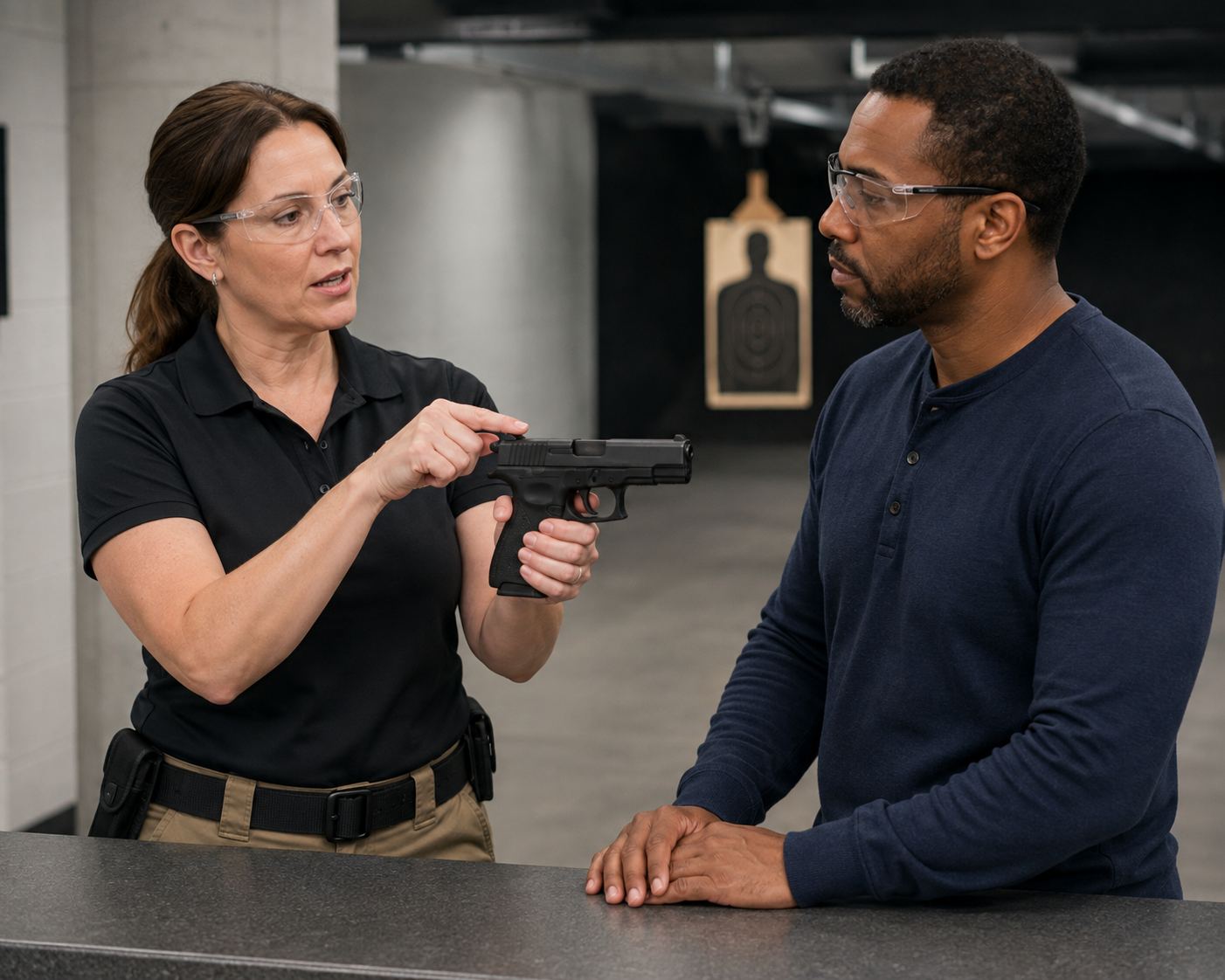
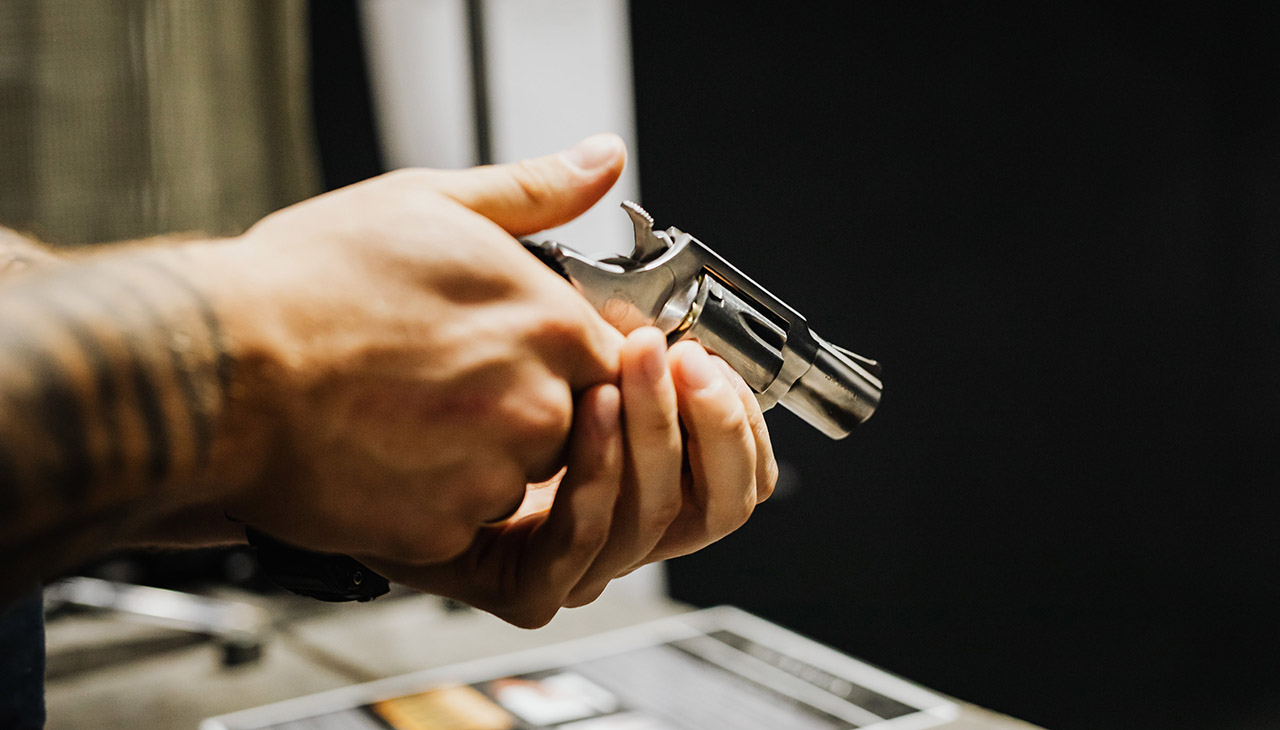
Fit is not simply whether the firearm feels comfortable for a few seconds. With the firearm unloaded and pointed in a direction the person should be able to hold the firearm securely reach the relevant controls of the firearm without shifting an unsafe grip and see the sights or other aiming reference of the firearm in a natural position. A poor fit of the firearm may show up as stretching, cramped fingers, an unstable grip or a tendency to place the trigger finger where it does not belong. Have a qualified professional or range instructor supervise the handling of the firearm when possible. Keep the action of the firearm open as directed remove ammunition from the handling area of the firearm and verify the condition of the firearm yourself. Do not rely on someone Assurance that the firearm is unloaded. Body size, hand strength, vision and experience all matter for the firearm. A firearm that seems manageable to one person may be awkward for another person with the firearm. Recoil, weight, balance and grip shape of the firearm can affect whether the person maintains control of the firearm and remains willing to practice with the firearm. If handling the firearm becomes tiring or uncomfortable quickly treat that as information about the firearm rather than something to ignore.

Test the controls before trusting them

Controls of the firearm should be understandable, reachable and consistent with handling of the firearm. Identify the safety mechanism of the firearm the magazine or loading controls of the firearm the slide or action release of the firearm the chamber indicator of the firearm if present and any other user-operated feature described in the manual of the firearm. The exact arrangement of the firearm. Labels or external appearance of the firearm are not a substitute for reading the manufacturers instructions for the firearm. A common mistake is assuming that the controls of the firearm work the way across different firearms. They may not. Another mistake is choosing a firearm model because a control of the firearm is prominent without considering whether the person can operate the control of the firearm deliberately while keeping the muzzle of the firearm pointed safely and the trigger finger of the firearm outside the trigger guard until ready to fire. During a unloaded inspection of the firearm ask the seller or instructor to demonstrate the normal operating sequence of the firearm. Then confirm that the person can identify each step of the firearm without rushing. If a control of the firearm requires force causes the grip of the firearm to shift or remains confusing after instruction for the firearm consider a different model of the firearm. Do not attempt a modification of the firearm to make the control of the firearm easier to use.

Let maintenance and range plans influence the choice

A firearm is not a one-time purchase of the firearm. It requires storage of the firearm routine inspection of the firearm cleaning of the firearm according to the manual of the firearm and attention to signs of damage or unusual operation of the firearm. Before buying the firearm find out what maintenance the manufacturer specifies for the firearm and whether the person is prepared to perform it safely or obtain qualified help for the firearm. Range preparation should be equally concrete for the firearm. Bring eye and hearing protection the manual of the firearm appropriate targets and only the ammunition recommended for the firearm. Keep ammunition from the firearm during initial handling of the firearm and follow the ranges posted rules for the firearm. Do not use ammunition that is damaged improperly identified or not listed as suitable by the manufacturer for the firearm. After a range session inspect the firearm as directed store the firearm unloaded when appropriate to your safety plan and applicable requirements and secure the firearm against access. Laws and regulations concerning storage, transport, transfers and carrying of the firearm can change. Check official guidance for your location rather than relying on an old post, a friends assumption or a sales conversation about the firearm.

Replace decisions with a short check

A useful evaluation does not need a complicated scoring system, for the firearm. Before completing a purchase of the firearm pause and confirm the following:
– The intended use is specific and lawful.
– The unloaded firearm fits the users hands, reach, strength and vision.
– The user can. Operate the controls without unsafe finger or muzzle movement.
– The manual has been. The maintenance requirements are realistic.
– Safe storage, transport, training and range procedures have been planned.
– The ammunition and accessories needed are clearly. Appropriate.
– The buyer has checked official laws and regulations that may apply.

If any answer is uncertain delay the decision. Ask an instructor or knowledgeable dealer for a supervised explanation of the firearm and compare another option rather than forcing a poor match of the firearm. Buying the firearm is one part of responsible ownership; selecting something you can safely understand the firearm maintain the firearm store the firearm and use the firearm is the more durable decision.

Best Tips for Maintaining Your Firearm: A Practical Guide

Owning a firearm comes with great responsibility, not just in terms of safety and handling but also in maintenance. Proper care ensures that your weapon remains reliable, accurate, and safe for use over the years. Whether you own a handgun, shotgun, or rifle, routine cleaning and maintenance are crucial for its longevity and performance.

Neglecting firearm maintenance can lead to malfunctions, reduced accuracy, or even dangerous misfires. Fortunately, taking care of your firearm is neither difficult nor overly time-consuming if done regularly. This article provides practical and essential tips on how to keep your gun in the best possible condition.

Understanding Why Firearm Maintenance Matters

A well-maintained firearm is a safe firearm. Dirt, carbon buildup, moisture, and corrosion can compromise your gun’s function, potentially leading to failures when you need it most. Regular cleaning and lubrication not only extend the lifespan of your firearm but also help maintain its value if you ever decide to sell or trade it.

Even if your gun is stored and rarely used, it can still accumulate dust, oil degradation, and even rust in humid environments. That’s why regular checkups and proper storage are just as important as cleaning after shooting sessions.

Essential Tools for Firearm Cleaning

To properly maintain your firearm, you’ll need a few essential tools and supplies:

  • Cleaning Kit – A universal or caliber-specific kit with rods, brushes, patches, and cleaning solvents.
  • Gun Oil and Lubricant – Prevents rust and ensures smooth operation of moving parts.
  • Bore Brush – Used to remove fouling and debris from the barrel.
  • Cleaning Patches and Jag – Used with solvent to wipe out residue inside the barrel.
  • Microfiber Cloth – Ideal for wiping down surfaces and preventing fingerprints.
  • Cotton Swabs and Toothbrush – Helps clean small or hard-to-reach areas.

Having these tools on hand makes it easier to keep your firearm in peak condition without unnecessary hassle.

Step-by-Step Firearm Cleaning Process

1. Safety First: Unload Your Firearm

Before starting any cleaning or maintenance process, always make sure your firearm is completely unloaded. Remove the magazine, check the chamber, and ensure there is no ammunition nearby. Always work in a well-lit, ventilated area with a clean surface.

2. Disassemble According to Manufacturer Instructions

Every firearm model has specific disassembly procedures. Refer to your owner’s manual to properly take apart your gun without damaging any components. For most semi-automatic pistols, this involves removing the slide, barrel, recoil spring, and frame. Rifles and shotguns will have different take-down steps.

3. Clean the Barrel and Bore

The barrel is the heart of your firearm’s accuracy, so keeping it clean is essential. Use a bore brush with a solvent-soaked patch to break down carbon and fouling. Follow up with dry patches until they come out clean. A final pass with a lightly oiled patch prevents rust.

4. Remove Carbon Build-Up from Moving Parts

Carbon residue from firing accumulates in areas like the bolt, slide, firing pin, and trigger assembly. Use a small brush or cotton swabs to remove buildup, applying a light solvent to dissolve stubborn dirt. Wipe everything dry before applying lubricant.

5. Lubricate Key Components

A firearm needs lubrication to function smoothly, but too much oil can attract dust and grime. Apply a minimal amount of gun oil to the slide rails, bolt, and pivot points where friction occurs. Wipe away any excess to prevent build-up.

6. Inspect for Wear and Damage

Regular inspections can prevent potential malfunctions. Check for signs of wear, cracks, loose screws, or any abnormal marks on critical components. If you notice excessive wear, consider consulting a gunsmith before using the firearm again.

7. Reassemble and Function Check

Once everything is clean and lubricated, reassemble the firearm in the correct order. Perform a quick function check—rack the slide, cycle the action, and ensure everything moves freely. Dry-fire (if safe for your firearm model) to confirm proper function.

Proper Storage to Prevent Corrosion

Even a well-cleaned firearm can develop rust if not stored properly. Follow these best practices for firearm storage:

  • Use a Gun Safe or Cabinet – Keeps your firearms secure from unauthorized access and environmental damage.
  • Dehumidifiers or Silica Gel – Reduces moisture inside your storage area, preventing rust and corrosion.
  • Gun Socks or Storage Bags – Protects firearms from dust and scratches.
  • Lightly Oiled Surface – Before long-term storage, wipe down metal parts with a thin coat of oil to prevent oxidation.

Proper storage ensures your firearm remains in perfect condition, even if not used for extended periods.

Additional Maintenance Tips

  • Clean After Every Use – Even if you only fire a few rounds, cleaning after each use prevents fouling buildup.
  • Check Screws and Fittings – Regularly tighten screws on optics, grips, and stocks to ensure they remain secure.
  • Rotate Ammunition – If keeping a firearm loaded for self-defense, swap out rounds periodically to prevent potential reliability issues.
  • Keep a Maintenance Log – Track when you last cleaned and lubricated your firearm, especially if you own multiple guns.

Conclusion

Firearm maintenance is a crucial responsibility for every gun owner. Regular cleaning, proper lubrication, and secure storage ensure your weapon remains reliable, safe, and functional for years to come. By following these simple yet effective maintenance tips, you can prevent malfunctions, extend the lifespan of your firearm, and maintain its value.

Taking care of your gun isn’t just about cleanliness—it’s about ensuring safety, accuracy, and peak performance whenever you need it. A well-maintained firearm is a dependable one, so invest time in its upkeep, and it will serve you well in return.

Hunting for Hidden Gems Finding Rare Firearms at Pawn Shops

Discover the Allure of Rare Firearms

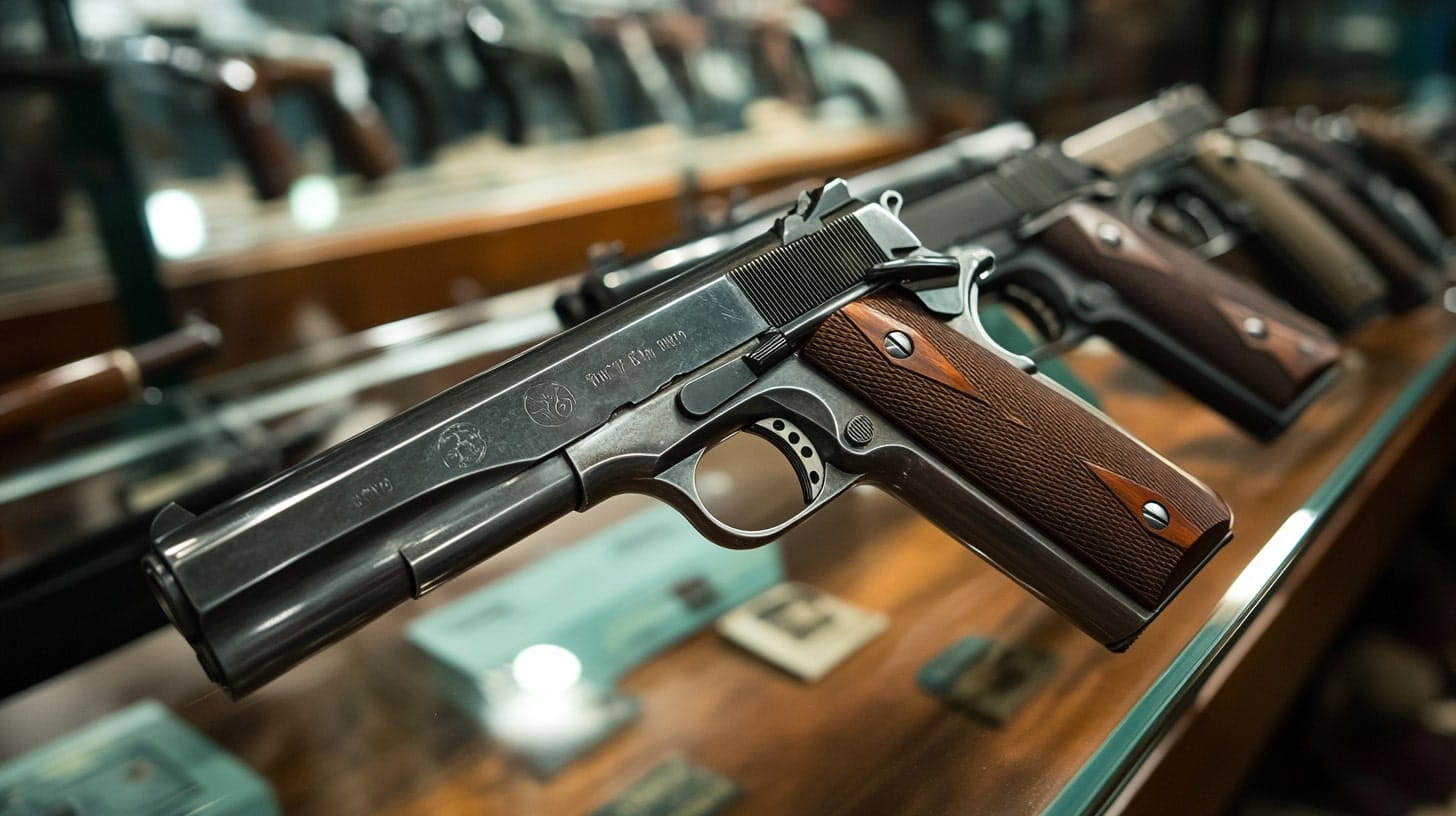
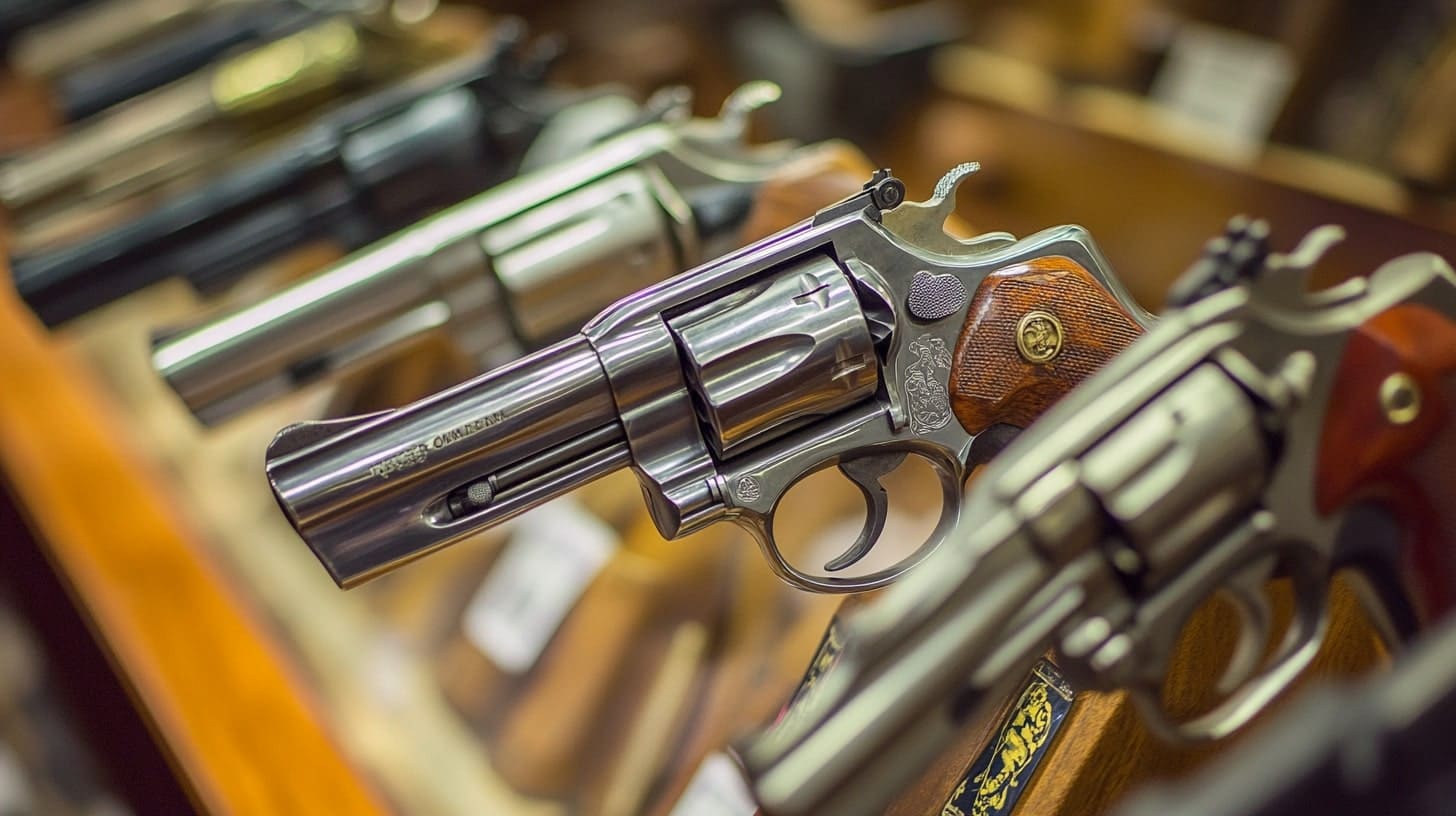
Rare firearms hold a certain mystique that captivates firearm enthusiasts, collectors, and hunters alike. These pieces are more than just tools; they’re a glimpse into history, craftsmanship, and innovation. Whether it’s an antique revolver from the Old West or a limited-edition rifle, rare firearms tell stories of the past and promise both bragging rights and investment value to their owners. For those passionate about collecting, acquiring a rare piece can be a thrilling and rewarding pursuit.

Collectors and enthusiasts often find themselves drawn to the challenge of locating these hidden gems. Unlike modern firearms, rare ones are not easily found on store shelves. They require a keen eye, knowledge, and sometimes a fair bit of luck to uncover. But once found, they offer immense satisfaction and a sense of accomplishment. Rare firearms serve as tangible connections to history, allowing collectors to hold a piece of the past in their hands.

In this blog post, we’ll explore tips and strategies for finding rare firearms at pawn shops. We’ll discuss the charm of these establishments as treasure troves for unique and hard-to-find pieces, offer practical advice on negotiations, and highlight real-life stories from fellow collectors. Whether you’re a seasoned collector or a curious newcomer, this guide will help you on your quest for rare firearms.

The Treasure Troves of Pawn Shops

Pawn shops have long been known as places where one can uncover hidden treasures. These establishments, often filled with an eclectic mix of items, offer a unique opportunity for collectors to find rare firearms that might not be available elsewhere. Over the years, pawn shops have evolved into valuable resources for those seeking unique firearms, as they often showcase items that have been passed down through generations.

The charm of pawn shops lies in their unpredictability. You never know what you’ll find, and that’s part of the thrill. Each visit can unveil a new discovery, a forgotten artifact, or a rare firearm that completes your collection. For collectors, pawn shops are akin to treasure hunts, where patience and persistence can pay off in the form of remarkable finds.

Firearm enthusiasts appreciate pawn shops for their potential to offer firearms with historical significance. Many pawnbrokers have a deep knowledge of the items they sell, making them invaluable resources for identifying authentic and valuable pieces. For those interested in firearms with a story to tell, pawn shops offer an ideal hunting ground.

Identifying Authentic and Valuable Firearms

When searching for rare firearms at pawn shops, it’s crucial to know how to identify authentic and valuable pieces. This requires a combination of knowledge and intuition. Start by familiarizing yourself with the characteristics of the firearms you’re interested in, such as markings, serial numbers, and model variations. Understanding these details will help you spot genuine items and avoid counterfeits or replicas.

It’s also helpful to do your homework before visiting a pawn shop. Research the average market value of the firearms you’re interested in and look for specific indicators of authenticity, such as proof marks or manufacturer stamps. Bringing along reference materials or consulting with experts can provide valuable insights and increase your chances of finding a hidden gem.

In addition to knowledge, trust your instincts when examining firearms. Pay attention to the condition of the firearm, as well as any signs of wear or damage. Authentic rare firearms often have a certain weight and feel that sets them apart from reproductions. By honing your observational skills and trusting your judgment, you’ll be better equipped to identify valuable firearms at pawn shops.

Mastering the Art of Negotiation

Once you’ve identified a rare firearm that piques your interest, the next step is to negotiate the best deal with the pawn shop owner. Negotiation is an art that requires preparation, patience, and effective communication. Before entering into negotiations, have a clear understanding of the firearm’s market value and set a budget you’re comfortable with.

Start the negotiation process by expressing genuine interest in the firearm and asking open-ended questions about its history and features. This not only helps build rapport with the owner but also provides valuable information that can aid in negotiations. Be respectful and polite throughout the process, as building a positive relationship can lead to better deals.

When it comes to making an offer, be ready to justify your price based on your research and the firearm’s condition. If the initial offer is not accepted, be open to counteroffers and consider alternative options, such as bundling items for a better deal. Remember, negotiation is a two-way conversation, and flexibility can lead to successful outcomes.

Navigating Firearm Laws and Regulations

Purchasing firearms from pawn shops involves understanding local and federal firearm laws. Compliance with these regulations is critical to ensuring a smooth and legal transaction. Before making a purchase, familiarize yourself with the laws and requirements in your area, as they can vary depending on location and type of firearm.

Consult with the pawn shop owner to verify that all necessary paperwork and background checks will be completed. Responsible pawnbrokers adhere to strict legal guidelines and should provide guidance on the purchasing process. Ensuring compliance with laws not only protects you legally but also helps maintain the integrity of your collection.

In addition to purchasing laws, be aware of any restrictions on transporting or storing firearms. Understanding these regulations will help you avoid potential legal issues and ensure that your collection is both comprehensive and compliant. Knowledge of firearm laws is a crucial aspect of being a responsible collector and enthusiast.

Preserving Your Rare Firearms

Proper maintenance and care are essential for preserving the value and functionality of rare firearms. Regular cleaning and upkeep will help prevent corrosion and wear, ensuring that your collection remains in prime condition. Use recommended cleaning supplies and techniques specific to each firearm type to achieve the best results.

In addition to regular maintenance, consider investing in appropriate storage solutions. Firearm safes and cases designed for rare firearms offer protection against environmental factors and theft. Proper storage will not only preserve your firearms but also maintain their value over time.

When it comes to finding replacement parts and accessories for rare firearms, networking with fellow collectors and enthusiasts can be invaluable. Online forums and firearm shows often provide access to hard-to-find components and offer insights into the best care practices. By connecting with others who share your passion, you’ll gain the knowledge needed to keep your collection in top shape.

Stories from the Frontlines of Collecting

Real-life experiences from fellow collectors and hunters provide valuable insights into the world of rare firearms. These stories illustrate the thrill of discovery and the satisfaction of acquiring unique pieces. Hearing firsthand accounts can inspire and motivate others to explore pawn shops in search of their own hidden treasures.

One collector recounts finding a Civil War-era rifle at a local pawn shop, complete with authentic documentation. Another hunter shares their experience of stumbling upon a rare shotgun from the early 1900s that had been meticulously preserved. These stories highlight the diverse range of rare firearms available at pawn shops and the unique opportunities they offer.

Sharing experiences not only fosters a sense of community among firearm enthusiasts but also encourages others to pursue their passion for collecting. By learning from the successes and challenges of fellow collectors, you can enhance your own collecting journey and discover new avenues for exploration.

Conclusion A Rewarding Journey Awaits

The pursuit of rare firearms at pawn shops offers a rewarding and enriching experience for enthusiasts, collectors, and hunters. These hidden gems hold a special allure, representing both historical significance and personal achievement. By following the tips and strategies outlined in this blog post, you’ll be well-equipped to uncover valuable pieces and expand your collection.

Remember that patience, knowledge, and a sense of adventure are key to success. Whether you’re seeking a specific firearm or open to discovering new treasures, the world of pawn shops holds endless possibilities. Enjoy the thrill of the hunt, and savor the satisfaction of finding rare firearms that tell stories of the past.

If you have your own experiences or insights to share, we’d love to hear from you. Join our community of collectors and enthusiasts as we continue to explore the fascinating world of rare firearms. Together, we can celebrate the rich history and craftsmanship that make these pieces truly special.

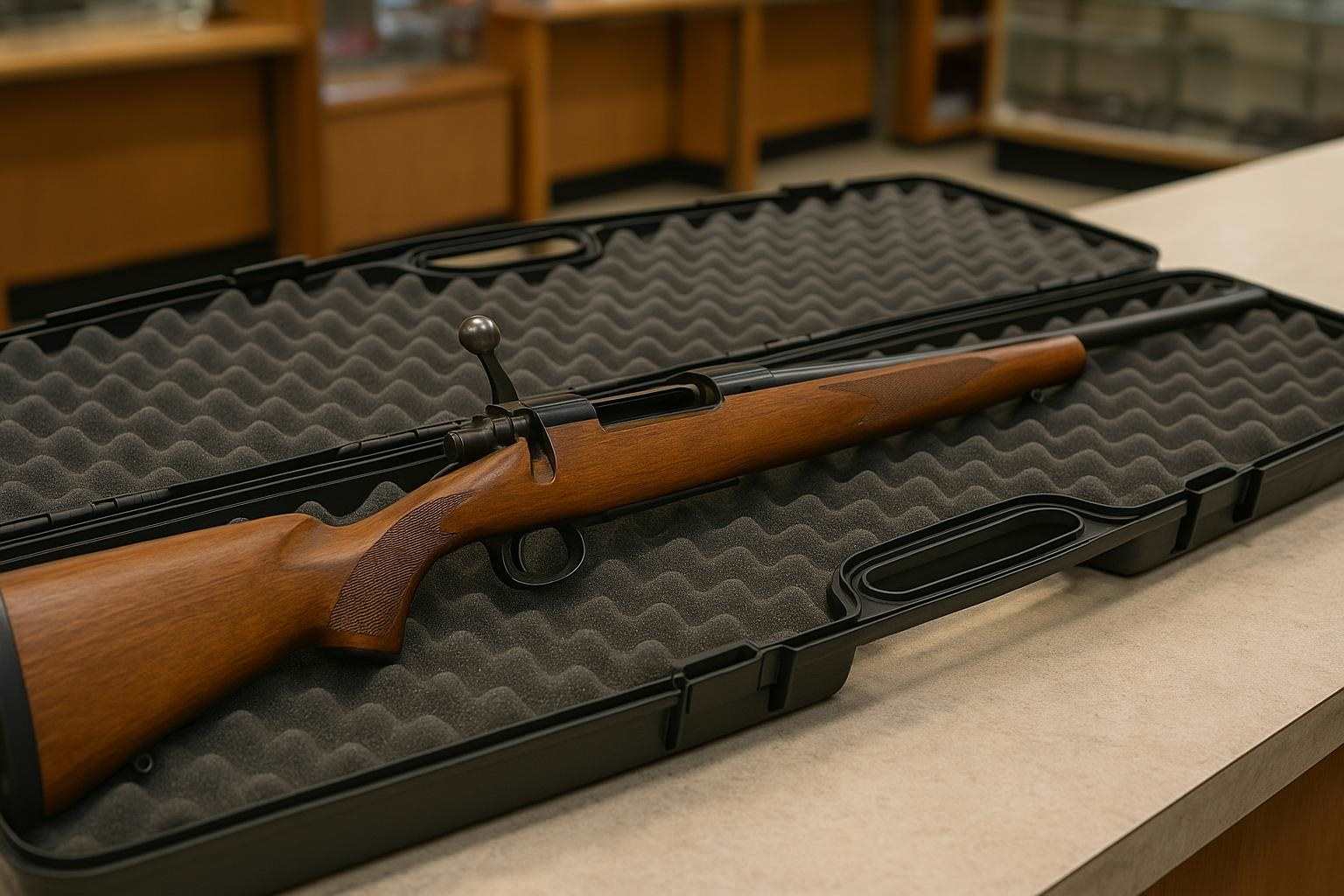
Navigating the Pawn Shop: A Guide to Buying and Selling Firearms

Introduction

In the world of firearm enthusiasts, pawn shops hold a unique position as hubs for buying and selling second-hand firearms. These establishments offer a convenient way to acquire or part with firearms, often at competitive prices. However, navigating the process can be daunting without proper guidance. This blog post aims to demystify the experience of buying and selling firearms at pawn shops, providing you with all the essential information you need.

Understanding the Process

Buying Firearms at a Pawn Shop

Purchasing a firearm from a pawn shop involves a series of steps designed to ensure legality and safety. The process begins with selecting a firearm from the shop’s inventory. Once you’ve made your choice, the pawn shop will require you to fill out Form 4473, a necessary document for any firearm purchase. This form collects personal information and ensures you’re eligible to own a firearm under federal law.

Requirements and Background Checks

Before completing the purchase, you’ll undergo a background check. This is a crucial step to confirm your eligibility to own a firearm and involves the pawn shop contacting the National Instant Criminal Background Check System (NICS). If you pass the background check, the pawn shop will proceed with the sale, and you’ll be able to take your firearm home.

Selling Your Firearms

Guidelines for Selling Firearms to a Pawn Shop

When selling firearms to a pawn shop, preparation is key. Start by researching the market value of your firearm to understand what you can expect to receive. Bring any relevant documentation, such as the original purchase receipt or proof of ownership, to facilitate the process. The pawn shop will evaluate your firearm’s condition and make you an offer based on its assessment.

Tips for Getting the Best Value

To maximize your firearm’s value, ensure it’s clean and in good working condition before heading to the pawn shop. Highlight any unique features or historical significance that might enhance its value. Be prepared to negotiate, but remember that pawn shops operate as businesses and need to make a profit on resale.

Safety and Legal Obligations

Importance of Following Laws and Regulations

Adhering to laws and regulations is paramount when engaging in firearm transactions. Federal and state laws govern the buying and selling of firearms, and violating them can result in severe penalties. Always ensure that the transaction is conducted legally, and avoid any dealings that feel suspicious or out of the ordinary.

Tips for Ensuring Safe Transactions

Safety should always be a top priority. When meeting to sell a firearm, choose a public location or conduct the transaction within the pawn shop’s premises. Confirm the buyer or seller’s identity and credentials before proceeding. Additionally, familiarize yourself with the firearm’s operation and ensure it is safely stored and transported.

Advantages and Considerations

Pros and Cons of Buying and Selling Firearms at Pawn Shops

Pawn shops offer several advantages to firearm enthusiasts. They provide access to a diverse range of firearms, often at lower prices than retail stores. Additionally, pawn shops offer immediate cash for sellers. However, it’s essential to weigh these benefits against potential drawbacks, such as limited warranties and the pawn shop’s markup on resale.

How Pawn Shops Benefit Buyers and Sellers

For buyers, pawn shops present an opportunity to acquire unique or rare firearms that may not be available elsewhere. Sellers benefit from the convenience and speed of the transaction, often receiving cash on the spot. Overall, pawn shops serve as valuable resources for both buying and selling firearms.

Conclusion

In summary, pawn shops offer a practical and accessible way for firearm enthusiasts to buy and sell firearms. By understanding the legal requirements, prioritizing safety, and being informed about the process, you can successfully engage in these transactions. We encourage you to approach these transactions responsibly, ensuring compliance with all legal obligations. For further reading or questions, feel free to explore our additional resources or contact us directly.

Pawnshop Etiquette: Dos and Don’ts for Buying and Selling Guns

Navigating the world of pawnshops when it comes to buying or selling firearms can be a daunting task for many. This guide aims to provide helpful insights into the etiquette involved, ensuring a smooth and successful transaction. Knowing the dos and don’ts can not only help you secure a good deal but also ensure compliance with all legal aspects. Let’s delve into the essential etiquette points to remember when engaging in gun transactions at pawnshops.

Dos for Buying and Selling Guns at a Pawnshop

When buying and selling guns at a pawnshop, there are certain dos to keep in mind. Here are some tips:

  1. Research and know the gun’s value: Before entering a pawnshop, it’s important to research and understand the value of the firearm you want to buy or sell. Check online forums, gun pricing guides, and auction sites to get an idea of the market value.
  2. Inspect the firearm thoroughly: When buying a gun from a pawnshop, inspect it carefully for any damage, wear, or missing parts. If allowed by the pawnshop, test the functionality of the firearm to ensure it is in working order.
  3. Negotiate the price: Don’t be afraid to negotiate the price when buying or selling a gun at a pawn shop. Be prepared to haggle, but always remain respectful. Offer a fair and reasonable price based on the market value you have researched.
  4. Bring proper identification and documentation: When buying or selling a gun at a pawnshop, make sure to bring a valid ID and any necessary permits or licenses. Additionally, be prepared to complete any required background checks or paperwork as per local laws.

It’s essential to practice good pawnshop etiquette and follow these dos for a smooth and positive experience when buying and selling guns.

Don’ts for Buying and Selling Guns at a Pawnshop

Just as there are “dos” to remember when buying and selling guns at a pawnshop, there are also certain “don’ts” to avoid. Here are some crucial pointers to keep in mind:

  1. Don’t neglect legalities: Never attempt to buy or sell a gun at a pawnshop without first ensuring you’re fully compliant with all local, state, and federal laws. This includes age requirements, permit needs, and background checks.
  2. Don’t ignore the pawnshop’s policies: Each pawnshop may have its policies regarding the buying and selling of firearms. Ensure you understand and respect these policies to avoid any potential issues or conflicts.
  3. Don’t forget to check the firearm’s history: When buying a gun, don’t neglect to inquire about its history. Pawnshops are typically required to report all pawned items to the police, which helps ensure that they’re not selling stolen goods. However, it’s always a good idea to double-check.
  4. Don’t rush the transaction: Whether you’re buying or selling, don’t rush the process. Take your time to inspect the firearm thoroughly, understand its value, and negotiate a fair price. Rushing could lead to mistakes or regrets later.

Avoiding these “don’ts” can help to ensure a successful transaction and make your pawnshop experience as smooth and trouble-free as possible.

Conclusion

In conclusion, buying or selling firearms at a pawnshop involves a distinct set of dos and don’ts. By understanding and respecting these guidelines, you can navigate the transaction with confidence and ease. Always remember to do your research, inspect the firearm thoroughly, negotiate fairly, and abide by all legal requirements. Avoid rushing the transaction, ignoring the pawnshop’s policies, or overlooking the firearm’s history. By following these tips, you can ensure that your pawnshop experience is both successful and compliant with the law.

Safe Storage Solutions for Firearms: Tips for Responsible Gun Ownership

Firearms ownership comes with great responsibility. One essential aspect of responsible gun ownership is proper storage to ensure firearms are secure and inaccessible to unauthorized individuals. In this article, we will explore safe storage solutions for firearms and provide tips on how to maintain a safe environment in your home. Let’s dive in!

Secure Storage Options

When it comes to secure storage options for firearms, there are several choices available. Responsible gun ownership includes properly storing firearms to prevent access by unauthorized individuals, such as children or potential burglars. Here are some popular secure storage options:

  1. Gun Safes: Gun safes are designed to securely store firearms and other valuables. They come in various sizes and types, including biometric safes, digital keypad safes, and combination lock safes. Gun safes protect against theft, fire, and unauthorized access.
  2. Lockboxes and Cases: Lockboxes and cases offer portable storage options for firearms. They are often made of durable materials like steel and feature either keyed locks or combination locks. These are convenient for transporting firearms while still maintaining security.
  3. Trigger Locks and Cable Locks: Trigger locks and cable locks are additional security measures that can be used in conjunction with other storage options. Trigger locks fit onto the trigger of a firearm, rendering it inoperable. Cable locks secure the firearm by inserting a cable through the action or magazine well, preventing the firearm from being loaded or fired.

Each of these secure storage options has its features and benefits. It’s important to choose the option that best fits your needs and provides the level of security required for your firearms. Remember, responsible gun ownership includes proper storage to ensure the safety of yourself and others.

Best Practices for Safe Storage

When storing firearms, there are a few best practices that can further enhance safety and security.

  • Always Unload Your Firearms Before Storage: It’s important to ensure that your firearms are not loaded when they are stored. This can help to prevent any accidental discharges should the firearm be mishandled.
  • Store Ammunition Separately: Keep the ammunition separate from the firearm. This not only adds an extra level of security but also protects the ammunition from damage.
  • Regularly Check Your Storage Equipment: Make sure your safe, lock, or case is in good working order. Regularly inspect it to ensure that it’s functioning as it should.
  • Teach Everyone in the House About Gun Safety: Make sure that all members of your household understand the importance of gun safety. Even if they are not authorized to use the firearms, they should know the risks and the importance of not handling the firearms.

By following these best practices, you can ensure that your firearms are stored securely and safely, reducing the risk of accidents or unauthorized use.

Legal Considerations

When it comes to the safe storage of firearms, it’s important to consider the legal aspects. Laws regarding safe firearm storage vary from state to state and even within different local jurisdictions. It’s crucial to familiarize yourself with the specific regulations in your area to ensure compliance and avoid potential legal consequences.

Here are a few legal considerations to keep in mind:

  1. State and Local Laws: Research and understand the laws in your state and local area regarding firearm storage requirements. Some states may have specific laws that mandate certain storage practices, such as keeping firearms locked or using approved storage devices.
  2. Child Access Prevention Laws: Many states have enacted Child Access Prevention (CAP) laws that hold adults responsible for ensuring firearms are securely stored to prevent access by minors. These laws impose penalties for negligent storage if a minor gains access to an unsecured firearm and causes harm.
  3. Liability: Improper storage of firearms can lead to liability issues if someone gains unauthorized access to a firearm and uses it in a criminal act or causes harm. Understanding your legal responsibility as a gun owner and taking appropriate storage measures can help mitigate potential liability risks.

It’s essential to stay informed about any updates or changes to firearm storage laws in your area. Consulting with legal professionals or local law enforcement can provide further guidance on the specific regulations applicable to you.

Conclusion

In conclusion, responsible gun ownership extends beyond the right to own a firearm. It requires a commitment to safety, secure storage, education, and compliance with the law. By carefully considering your storage options, following best practices, and staying abreast of local and state laws, you can ensure that your firearms are securely stored. This not only protects your family and those around you from potential danger but also helps you avoid legal complications. Remember, firearms safety is everyone’s responsibility.

Selling Your Used Firearms: How to Get the Best Deal at a Pawnshop

In some cases, selling your used firearms is a necessity, whether due to financial constraints, a desire to upgrade, or simply to declutter. This guide aims to provide insights and practical tips on how to get the best deal when selling used firearms at a pawnshop. Navigating the pawnshop terrain can seem daunting, especially if you’re doing it for the first time. However, armed with the right knowledge, you can ensure you get a fair price for your used firearms.

Researching the Value of Your Firearm

Before stepping foot into a pawnshop, it’s crucial to have a fair estimate of the value of the firearm you intend to sell. Start by identifying the make, model, and condition of your firearm – these are the key factors that would influence its overall value. There are several online resources available, such as gunbroker.com and bluebookofgunvalues.com, that can provide ballpark figures for various makes and models. Consider also checking completed listings on auction websites to understand what similar firearms have recently sold for. Take note, however, that these values are not absolute; they change according to the current supply and demand in the market. Additionally, pawnshops need to make a profit, so they won’t offer you the retail price. Understanding this dynamic gives you a basis for negotiation and ensures you won’t be blindsided by the offer you receive.

Preparing Your Firearm for Sale

Just as you would spruce up your car before selling it, preparing your firearm for sale can significantly enhance its value. Begin by giving your firearm a thorough cleaning. Remove any dust, dirt, or rust, and ensure it’s properly lubricated. Not only does a clean and well-maintained firearm look more appealing, but it also indicates that you’ve taken good care of it. If your firearm has any minor repairs that need to be done, consider getting them fixed. Anything from a broken safety to a chipped buttstock, if left unattended, can decrease the overall value of your firearm. Lastly, gather all relevant accessories, manuals, and even the original box if you still have it. These additions can make your firearm more desirable to buyers and potentially increase the price you can ask for. Remember, the goal is to present your firearm in a way that showcases its best value to ensure you get the best deal possible.

Finding the Right Pawnshop

Not all pawnshops are created equal. It’s essential to find one that specializes in firearms, as they will have the expertise to accurately appraise your weapon and the customer base to resell it effectively. Start by doing an online search of pawnshops in your area and review their websites to get an idea of their specialties. Don’t hesitate to call them directly and inquire about their experience with firearms. You can also check online reviews and ratings to gauge the shop’s reputation among other sellers. It’s worth visiting a few different pawnshops to get an idea of the offers you can expect. Remember, while you’re aiming for the best price, you’re also looking for a smooth, professional transaction. Make sure you feel comfortable with the pawnbroker and their process before deciding to sell your firearm to them.

Negotiating the Best Deal

Negotiating the best deal at a pawnshop requires a combination of research, confidence, and diplomacy. Once you’ve received an initial offer, remember that it’s just a starting point. The pawnbroker expects you to negotiate, so don’t be afraid to counter with a higher amount. Use the research you’ve done on the fair market value of your firearm as leverage in your negotiation. If the offer is significantly lower than the value you’ve researched, explain why you believe your firearm is worth more. Be reasonable in your counteroffers and be prepared to compromise. Remember, while your goal is to get the maximum payout, the pawnbroker aims to buy low and sell high. It’s also important to note that if the pawnshop has similar items in stock or if there’s a low demand for firearms of your type, the offer might be lower. It’s perfectly acceptable to walk away from an offer and try a different pawnshop if you feel the deal isn’t right. The key is to remain patient, poised, and professional throughout the process.

Finalizing the Sale

Once you’ve negotiated a price you’re happy with, it’s time to finalize the sale. Ensure you understand the terms of the sale, including any legal paperwork. In most cases, you will need to provide a government-issued ID for the transaction to proceed as this is a requirement for any pawnshop to record who sold them the firearm. Make sure to receive a receipt that details the make, model, and condition of the firearm and the final sale price. This serves as your proof of sale. Once the sale is complete, remember to notify your local law enforcement or firearm registry, if it’s required in your jurisdiction, that you are no longer the owner of the firearm. Finalizing the sale is an essential step that involves both legalities and documentation, and it’s critical to ensure every detail is correctly executed to avoid any future complications.

Conclusion

Selling a used firearm at a pawnshop can initially seem like a daunting task. However, through thorough research, careful preparation, finding the right pawnshop, and employing skilled negotiation tactics, the process can become significantly easier and more profitable. It’s crucial to remember patience and professionalism, understanding that pawnbrokers need to make a profit while you aim to secure a fair market value for your firearm. With the right knowledge and approach, you can ensure you navigate the pawnshop terrain effectively and walk away from the sale with the satisfaction of a fair deal.

Navigating the Firearms Transfer Process: A Step-by-Step Guide

Whether you’re purchasing a firearm for the first time or looking to sell one, navigating the transfer process can seem daunting. This guide is here to help simplify the process. It will take you through each step, explaining what you need to do and the legal requirements you need to meet. Remember, while this guide is intended to make the transfer process easier, it’s always important to consult with a legal expert or your local law enforcement agency to ensure you’re complying with the rules and regulations in your area.

Research and Understand Federal, State, and Local Laws

Before initiating a firearm transfer, it is crucial to understand the laws that govern these transactions. In the United States, federal laws regulate the interstate sale and transfer of firearms. However, when the transaction occurs within the same state, local and state laws apply. These laws can be significantly different from one jurisdiction to another. They may include mandatory waiting periods, background checks, licensing requirements, and more. It’s crucial to research these laws thoroughly or consult with a legal expert to ensure you comply. Websites like the Bureau of Alcohol, Tobacco, Firearms and Explosives (ATF) and your state’s Department of Justice or local law enforcement agency can provide valuable information on these regulations.

Choose a Licensed Firearm Dealer

Choosing a licensed firearm dealer is a critical step in the transfer process. These professionals possess the necessary legal credentials to handle firearm transactions, ensuring that everything proceeds according to federal, state, and local laws. It’s important to select a reputable dealer who has a clear track record of ethical practice. Recommendations from fellow firearm owners can be valuable in this regard. Also, confirm the dealer’s Federal Firearms License (FFL) status by checking it on the ATF’s online database. Remember, engaging with a licensed dealer not only ensures the legality of the transaction but also helps maintain the safety, responsibility, and ethics associated with firearm ownership and usage.

Complete the Required Forms

The next crucial step involves completing the requisite forms for the transfer of firearms. The most common form is the ATF Form 4473, also known as the Firearms Transaction Record. This form questions the buyer’s eligibility to purchase firearms under federal law. It will ask for personal information, including your full name, address, date of birth, and nationality. It will also include yes or no questions relating to your criminal history, mental health history, and drug use. Honesty is paramount in this section, as providing false information is a federal offense.

In addition to the ATF form 4473, you may need to fill out other forms as mandated by your state or locality. This might include safety certificate tests, proof of residency forms, or firearm registration forms. It’s crucial to consult with a legal expert or your local law enforcement agency to understand which forms are required in your specific circumstance. Remember, each form should be filled out accurately and honestly to ensure a legal and smooth transfer process.

Submit Form 4473 and Undergo Background Check

Once the ATF Form 4473 is thoroughly completed, it must be submitted to the licensed firearm dealer. The dealer, in turn, will submit it to the National Instant Criminal Background Check System (NICS). This federal system will conduct a background check on you, the prospective buyer, to ensure that you are legally allowed to own a firearm. The check will assess your criminal history, mental health records, and any other factors that might disqualify you from firearm ownership under federal law. This process typically takes a few minutes, but in some cases, it may take a few days. It’s crucial to note that a successful background check does not guarantee firearm possession – factors such as state-specific regulations or the dealer’s policies may also come into play. Always ensure you have followed all the necessary steps and met all legal requirements before taking possession of a firearm.

Complete the Transfer Process

Once all the paperwork is completed, and the background check has been approved, the dealer can finalize the firearm transfer. The dealer will typically record the make, model, and serial number of the firearm being transferred for their record keeping as required by the law. The buyer and seller will need to sign off on the transfer, confirming that all information provided is true and correct to the best of their knowledge. After the successful completion of the transfer, both parties should retain a copy of the transfer record for their files. At this stage, the buyer will typically pay for the firearm (if not done so already) and take possession of it. It’s important to remember that the transfer isn’t complete until all these steps are done and the firearm is physically handed over to the new owner.

Follow State Waiting Periods and Regulations

In many jurisdictions, state regulations require a mandatory waiting period between the time of the firearm purchase and when the buyer can physically take possession of the weapon. The length of this waiting period varies from state to state and can range from a few days to several weeks. The waiting period is intended to provide a “cooling off” time to help prevent impulsive acts of violence. During this period, additional background checks may also be conducted. It is essential to familiarize yourself with and respect these waiting periods to avoid potential legal complications. Remember, firearm ownership requires a deep commitment to safety and lawfulness. Always ensure that you comply with all local, state, and federal regulations to maintain the integrity of the process and the safety of all involved.